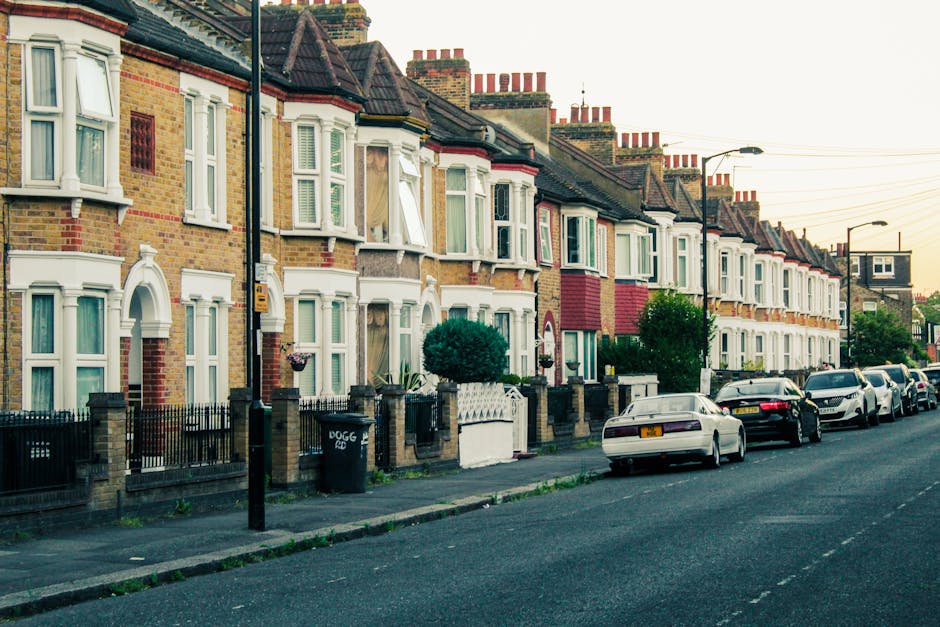
Applying for Parking Suspensions in Crouch End N8
Posted on 07/07/2026
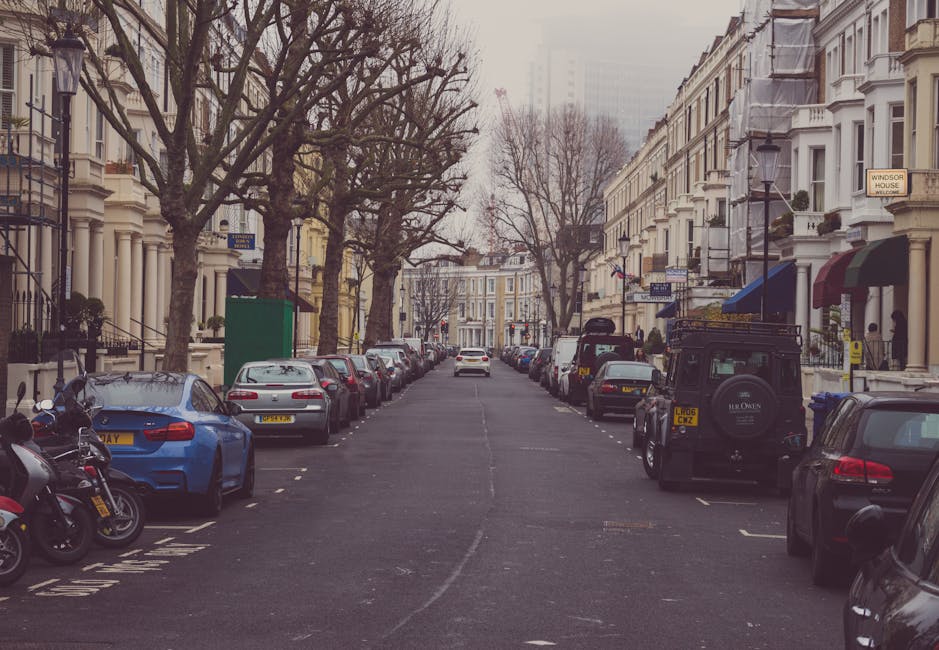
Applying for Parking Suspensions in Crouch End N8: A Practical Guide for Smooth Moves and Access
Parking can make or break a move in Crouch End. One minute everything is on schedule; the next, a van is circling for a legal stopping spot, the crew is carrying boxes farther than expected, and the whole day starts to feel tighter than it should. If you're applying for parking suspensions in Crouch End N8, this guide walks you through the why, the how, and the little details that save a lot of hassle. It is written for people planning a house move, office relocation, furniture delivery, or any job where van access really matters.
Truth be told, parking arrangements are often treated as an afterthought. That is usually where the trouble begins. In a busy London area like Crouch End, getting the right access plan in place can mean fewer delays, less carrying, and a calmer moving day. And yes, calmer is good.
- Why parking suspensions matter in Crouch End
- How the suspension process works
- Key benefits and practical advantages
- Who this is for and when it makes sense
- Step-by-step guidance
- Expert tips for better results
- Common mistakes to avoid
- Tools, resources and recommendations
- Law, compliance and best practice
- Options and comparison table
- Real-world example
- Practical checklist
- Conclusion
- Frequently asked questions
Why Applying for Parking Suspensions in Crouch End N8 Matters
Crouch End has the kind of streets where every metre counts. Narrow residential roads, parked cars on both sides, delivery pressures, and the usual London mix of time constraints all add up. A parking suspension can reserve a stretch of kerb space so a removal van, delivery vehicle, or service truck can work safely and efficiently.
Without that space, a moving team may have to park farther away, split loads, or work around existing vehicles. That sounds manageable until you're carrying a wardrobe down a staircase, or trying to get a sofa through a hallway that already feels awkward. If you've read about van access tips for Crouch End roads, you'll know the basics: access is rarely the easy part, and planning helps more than people expect.
The main point is simple. Parking suspensions are about reducing friction. They help create a workable loading area and make it easier to keep everyone safer, especially on streets where parked vehicles can block the best approach point. In practical terms, that often means less lifting distance, less waiting, and fewer awkward apologies to neighbours. Not glamorous, but very useful.
It also matters because many moving jobs in N8 are time-sensitive. If a permit or suspension hasn't been arranged, the day can still go ahead, but the team may need to improvise. That can affect timing, labour, and even cost. For a better sense of how access planning fits into the wider move, you may also find this moving-day planning guide useful.
How Applying for Parking Suspensions in Crouch End N8 Works
A parking suspension is usually a temporary restriction on parking in a specific location for a set time. In plain English, it is a way of saying, "this space needs to stay clear." The exact process depends on the local authority and the street in question, but the general flow is fairly consistent.
First, you identify the exact location and the purpose. Is it a house move, office relocation, furniture delivery, piano move, or something else? Then you check whether a suspension is actually needed, because sometimes a normal loading arrangement or a different vehicle position is enough. This is where local knowledge helps. A road that looks straightforward on paper may be more awkward in person, especially if there are corners, tight bays, or limited turning space.
Next comes the request itself. You normally need to provide dates, times, location details, and the reason for the suspension. Accuracy matters. Small errors, like the wrong house number or an unrealistic time window, can cause problems later. And honestly, nobody wants a last-minute scramble because a single digit was off.
Once approved, you should receive clear instructions about what the suspension covers, how long it lasts, and any signs or notices that need to be displayed. Some arrangements may also require lead time, so leaving it until the week of the move is risky. If your move includes large or specialist items, it's worth reading about the risks of moving heavy items yourself before deciding how much access space you actually need.
Keep in mind that parking suspensions and parking permits are not always the same thing. A permit may allow a vehicle to park in a controlled way; a suspension may temporarily block other parking activity. If you're unsure which one fits your job, think about the physical task first: loading, unloading, and how long the vehicle needs to stay in place.
Key Benefits and Practical Advantages
The strongest benefit is obvious: better access. But there is more to it than that.
- Shorter carrying distance: Less walking with boxes, furniture, or equipment means less fatigue and lower risk of knocks and damage.
- Smoother timing: The crew can get started faster, which helps everything stay on schedule.
- Safer loading: When the van is parked close to the entrance, items are handled with fewer awkward turns and less strain.
- Reduced disruption: You avoid blocking traffic or repeatedly moving vehicles around to make room.
- Better customer experience: Whether it's a home move or a business relocation, the day feels more controlled.
There is also a quieter benefit people sometimes miss: a parking suspension can help protect the building, the pavement, and the items being moved. It reduces the chance of bumping along a long route from van to door, which is where many small mishaps happen. One scuffed frame or dropped box can turn a tidy plan into a messy one quite quickly.
If you are planning a wider relocation, pairing access planning with the right service matters. A lot of readers exploring removals in Crouch End are really looking for an easier day, not just a vehicle. Access is part of that equation, as is choosing the right help for the scale of the job.
Who This Is For and When It Makes Sense
Parking suspensions are not only for big commercial jobs. They can make sense for all sorts of real-world situations.
- Home movers: Especially where the property is on a narrow street or there is limited front access.
- Flat moves: Stairs, long carry distances, and small landings make close parking much more valuable.
- Office relocations: Business moves often need precise timing and minimal disruption to neighbours or customers.
- Furniture deliveries: Large items need space, especially if they arrive on a scheduled slot.
- Specialist items: Pianos, heavy wardrobes, and awkward furniture benefit from protected loading space.
- Urgent or same-day jobs: These can still work, but only if access is handled carefully.
It makes sense when the vehicle needs to be near the property and the street is likely to be busy or heavily parked. It may be less useful if the property has a private driveway, a large forecourt, or plenty of unrestricted space nearby. That said, a quick reality check is always worth it. Streets change throughout the day, and what looks possible at 8 a.m. may be impossible by noon.
If you're planning a compact move and need broader support, you might also look at man and van services in Crouch End or, for smaller jobs, a man with a van in Crouch End. The right service and the right access plan go hand in hand.
Step-by-Step Guidance
Here is a practical way to handle the process without overcomplicating it.
- Assess the job size. Count the main items, note the number of boxes, and think about whether the vehicle needs to stay put while loading.
- Check the street conditions. Look at kerb space, bay restrictions, yellow lines, resident-only parking, and the likelihood of heavy daytime parking.
- Confirm the exact date and time window. Be realistic. A rushed estimate can create more problems later.
- Match the vehicle to the task. A larger van may need more room, but even a smaller vehicle benefits from protected access. If you're weighing up vehicle types, the page on removal vans in Crouch End can help frame that decision.
- Submit the request early. Lead time is one of those boring details that saves a lot of stress. Boring, but important.
- Keep the paperwork accessible. Save confirmation details somewhere obvious so they are easy to check on the day.
- Prepare the loading area. Move personal vehicles if needed, keep entrances clear, and make sure boxes are ready to go.
- Brief everyone involved. Tell the movers, residents, neighbours, or office staff what space is reserved and when.
At the practical end of things, the best moves are usually the ones where the access plan has been treated like part of the job, not an optional extra. If you want a broader overview of how services fit together, the services overview is useful context.
Expert Tips for Better Results
These are the little things that tend to separate a smooth move from a fiddly one.
- Measure the real access route, not just the street frontage. A van may park close enough, but the path to the door could still be blocked by railings, steps, or tight corners.
- Plan around local traffic rhythms. School runs, commuter peaks, and lunchtime parking can all affect availability.
- Bundle the suspension with other moving prep. Decluttering, packing, and item labelling all help reduce the time the space needs to stay clear. The advice in this decluttering guide is a good starting point.
- Keep the loading zone tidy. A clear pavement area makes life easier for everyone, including neighbours.
- Use the suspension only for the actual task. Extending the reserved space longer than needed can create avoidable conflict, and nobody enjoys that conversation.
One small but genuinely useful tip: if you're dealing with a multi-room move, start with the items that make access hardest. That might be wardrobes, bed frames, or fragile furniture. It often saves a second trip and gives the team more room to work. For bed and mattress jobs in particular, this mattress transition guide is worth a look.
And if the move is happening in colder months, you will notice how much more frustrating it is to keep doors open and items moving when the weather is damp and the pavement is slick. A little planning goes a long way.
Common Mistakes to Avoid
Most problems are not dramatic. They are small, avoidable errors that snowball. Classic stuff, really.
- Leaving the request too late: This is probably the biggest mistake. Late notice narrows your options.
- Giving vague location details: "Outside the house" is not enough if the street has multiple bays or complex restrictions.
- Underestimating space needs: A van may fit, but a loading area also needs room for safe handling.
- Forgetting about neighbours or building rules: A reserved spot is one part of the picture; building access is another.
- Assuming a suspension solves everything: It helps, but it does not replace good packing, clear labelling, or sensible lifting technique.
Another common issue is ignoring how the move itself will unfold once the van is parked. If the building has stairs, tight hallways, or awkward turns, the access plan should include those obstacles too. For example, staircase restrictions and practical moving fixes are exactly the sort of detail that can change a moving day from manageable to miserable.
Let's face it, people often focus on the booking and not the execution. The execution is where the time gets spent.
Tools, Resources and Recommendations
You do not need a suitcase full of specialist equipment, but a few practical tools make the process easier.
- Phone camera: Take photos of the street, bay markings, signs, and the front of the property.
- Simple floor plan: Even a rough sketch helps you and the movers understand where the van should go.
- Box labels and colour codes: Faster unloading, fewer pauses, less confusion at the door.
- Checklist notes: Keep a running list of items that must be ready before the reserved space is used.
- Access notes for movers: Gate codes, intercom details, lift info, and any special instructions should all be in one place.
For broader moving support, the most helpful pages are often the ones that reduce day-of friction. If you are comparing support options, packing and boxes in Crouch End can help you organise what needs to be moved, while house removals in Crouch End gives a wider sense of what a full service can cover.
One more recommendation: keep communication simple. The best parking and access plans are the ones everyone can understand at a glance. Too much back-and-forth on moving day is where things start to wobble.
Law, Compliance, Standards, or Best Practice
Parking suspensions sit within local parking control rules, so it is always sensible to treat them as a formal process rather than an informal favour. The exact requirements can vary by street, time, and local authority practice, so you should verify the current process before relying on any assumption. That cautious approach matters in London, where road layouts and restrictions can change from one street to the next.
Best practice usually includes the following:
- Clear and accurate location details so the reserved space is applied to the right stretch of road.
- Appropriate notice period so there is enough time for processing and, where relevant, signage or notification.
- Respect for other road users by using the suspension only for its intended purpose and duration.
- Safe working practices during loading and unloading, especially where heavy or awkward items are involved.
From a moving-industry perspective, this links neatly with health and safety. Good access reduces unnecessary carrying distances, which can help lower the risk of strain or damage. That is why many customers combine access planning with a review of health and safety guidance and, where specialist items are involved, safety and insurance information.
There is also a practical compliance angle around being considerate. If the street is busy, keep the reserved area tidy, do not block entrances, and avoid extending the occupation unnecessarily. It sounds basic, because it is. Basic things matter a lot here.
Options, Methods, or Comparison Table
Different jobs need different access solutions. A parking suspension is not always the only answer, but it is often the most controlled one for time-sensitive moves.
| Option | Best for | Pros | Limitations |
|---|---|---|---|
| Parking suspension | Moves, deliveries, and jobs needing a reserved kerb space | Clear access, easier loading, less disruption | Needs planning and may require lead time |
| Normal on-street parking | Short, flexible jobs in quieter streets | Simple if space is available | Unreliable in busy parts of Crouch End |
| Private driveway or forecourt | Properties with off-street space | Very convenient and low conflict | Not available for many homes and flats |
| Man and van with adapted loading plan | Smaller moves or flexible jobs | Cost-effective and practical | May still be affected by street parking pressure |
For a lot of Crouch End moves, the real choice is not "suspension or nothing"; it is "how much access control do we need to keep the day running well?" That is why it helps to review the job type too. If your move is small and quick, a flexible arrangement may work. If it is a full house move, a more controlled setup is usually the safer bet.
Case Study or Real-World Example
Here is a typical local scenario. A family in N8 is moving from a terrace on a street with steady daytime parking. The property has a narrow front approach, a couple of steps, and a fairly tight hallway. Nothing dramatic, but enough to make loading slower than it should be.
They arranged a parking suspension for the moving window and combined it with pre-packed boxes, labels, and a clear plan for the largest furniture pieces. On the day, the van could park close to the entrance instead of halfway down the street. That meant fewer back-and-forth trips, less carrying over kerbs, and a calmer pace overall.
What made the difference was not just the reserved space. It was the combination of several small decisions: early planning, realistic timing, and a sensible order for loading items. The team could move the heaviest furniture first, then work through the boxes without constantly reshuffling the van. It was one of those moves where everything still felt busy, but not chaotic. Big difference.
If the property or access route is especially awkward, reading about narrow hallway moving solutions can also help you understand how access planning and internal layout work together. And yes, they really do go together.
Practical Checklist
Use this checklist before moving day or before submitting a parking suspension request.
- Confirm the move date, time, and estimated loading window.
- Check whether the street is likely to be busy or heavily parked.
- Note the exact property number and road name.
- Identify where the van should ideally stop.
- Decide whether the job needs a suspension, a loading plan, or another access arrangement.
- Prepare details of any large, fragile, or specialist items.
- Label boxes by room or priority.
- Clear hallways, entrances, and the main loading route.
- Save confirmation details in one easy-to-find place.
- Tell anyone involved in the move what the access plan is.
A quick final note on prep: if you're still sorting through rooms the night before, take a breath. Get the essentials ready first. If you need a helpful nudge on packing order, these packing hacks are well worth your time.
Get a free quote today and see how much you can save.
Conclusion
Applying for parking suspensions in Crouch End N8 is really about protecting the flow of your move. A reserved space can reduce lifting distances, save time, and remove a lot of the little frustrations that make moving day feel harder than it should. It is a small administrative step, yes, but it has a big practical effect.
If you plan early, give accurate details, and think through the loading route as well as the parking space, you give yourself a far better chance of a smooth day. That is especially true in Crouch End, where street access can be tight and timing matters. Keep it simple, keep it realistic, and do not leave it to luck.
And if you end up one step ahead of the chaos, well, that is a very good place to be. Calm moves are still possible.