Avoid Hidden Moving Fees in Crouch End Quotes
Posted on 10/06/2026
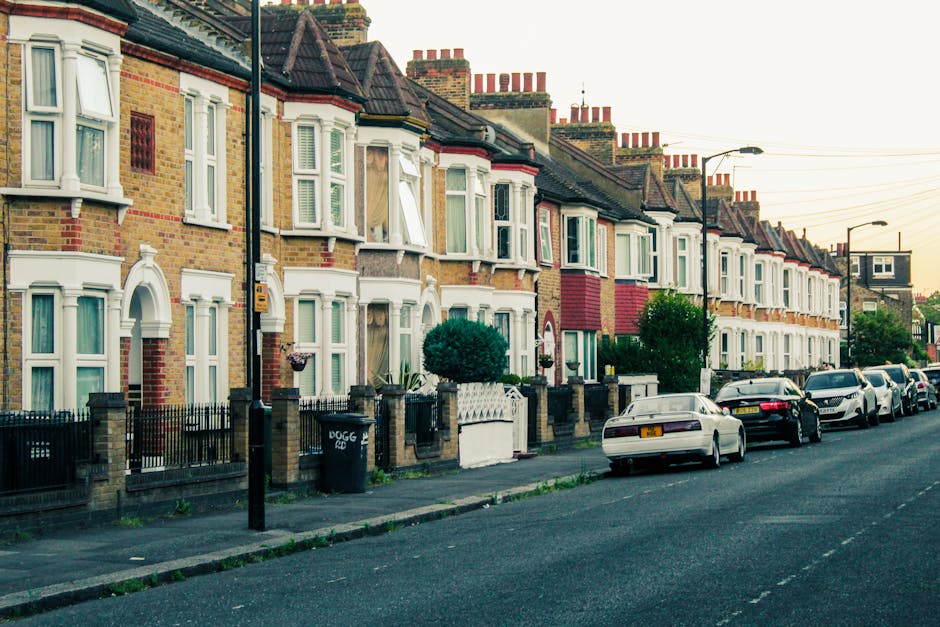
If you are comparing moving quotes in Crouch End, the headline number can look reassuringly simple. Then the small print turns up. Stair fees, waiting charges, parking surprises, bulky-item add-ons, packing extras... and suddenly the quote that seemed cheapest is not the cheapest at all. Learning how to avoid hidden moving fees in Crouch End quotes is less about hunting for a bargain and more about understanding what you are actually paying for. That tiny bit of clarity can save you money, stress, and a very awkward phone call on moving day.
In this guide, we will break down the common fee traps, what a proper quote should include, how to compare providers sensibly, and the questions worth asking before you book. You will also get a checklist you can use straight away. Nothing flashy. Just practical, local-minded advice that helps you move with fewer surprises and a lot more confidence.
- Why hidden fees matter
- How moving quotes are built
- Key benefits of fee transparency
- Who should read this
- Step-by-step guidance
- Expert tips
- Common mistakes
- Tools and resources
- Compliance and best practice
- Options and comparison table
- Real-world example
- Practical checklist
- Conclusion
- Frequently asked questions
Why Avoid Hidden Moving Fees in Crouch End Quotes Matters
Moving is already one of those tasks that fills every corner of your head. Boxes in the hallway. A van to organise. A key handover to coordinate. The last thing you need is a quote that looks neat on email but grows teeth later on.
Hidden fees matter because they distort the real cost of your move. A low starting price can be genuine, of course, but it can also be a lure. Once a mover has your booking, extra charges may appear for things that were never clearly discussed: access issues, additional labour, fuel, congestion-related delays, long carries from the property to the van, or even waiting time if the schedule slips.
In Crouch End, that risk can feel a bit sharper because local moves often involve parking limitations, narrow streets, stairs in older buildings, awkward building access, or shared entrances. If a company has not asked the right questions up front, the quote may be missing the real work involved. That is where the trouble starts.
To be fair, not every extra charge is unfair. Some jobs genuinely do need more time or more people. The issue is whether those possibilities were explained clearly before the booking. Transparency is the difference between a fair adjustment and a nasty surprise.
For readers planning everything from a simple flat move to a bigger family relocation, it also helps to look at the service level behind the price. A move may be supported by packing help, specialised handling, or storage options, and those can be useful when they are included properly. If you are still shaping the move itself, the broader services overview can help you understand what types of support may be relevant before you compare numbers.
How Avoid Hidden Moving Fees in Crouch End Quotes Works
The simplest way to think about moving quotes is this: the initial figure is often based on assumptions. If those assumptions are wrong, the price changes.
Most removal quotes are built from a combination of factors:
- the size of the load
- the amount of labour needed
- the distance between pickup and delivery
- access at both properties
- special handling requirements
- timing, such as same-day or short-notice moves
- packing, dismantling, or reassembly work
The hidden-fee problem usually appears when one or more of these factors are not covered clearly enough at the quoting stage. For example, a customer may say, "It is just a one-bedroom flat," but forget to mention that the flat is on the fourth floor, with no lift, and the van cannot park right outside. That is not anyone being dishonest. It is just an incomplete brief. But the result can still be a bigger bill.
A reliable quote process should ask enough questions to narrow the guesswork. The better the details, the tighter the estimate. This is especially true for local jobs where the difference between a quick carry and a long, fiddly one can be surprisingly significant.
If you want a clear starting point, reviewing pricing and quotes alongside the move details is a sensible first step. It helps you see the sort of information that typically affects final cost, and it gives you a benchmark when another provider says their price looks "about right".
A good rule of thumb: if a price sounds too clean, ask what it excludes. Fees do not hide themselves by magic. They hide in vague wording.
Key Benefits and Practical Advantages
When you get a clear moving quote, the benefits go well beyond saving money. The whole move tends to run smoother. Less back-and-forth. Less panic. Less of that sinking feeling when the invoice lands.
- Better budgeting: You can plan the full moving cost, not just the headline figure.
- Fewer arguments on the day: Everything is clearer before loading starts.
- Better comparison shopping: You compare like for like, not apples and pears.
- More control over timing: You know whether time-based charges may apply.
- Reduced stress: The move feels less like a guessing game.
There is also a subtle but important trust benefit. A company that explains its pricing plainly is usually easier to deal with throughout the move. Not always, but often enough that it is worth paying attention to.
Another advantage is that transparent pricing encourages better preparation on your side. Once you know what matters, you can tidy access routes, dismantle furniture early, or book the right type of service. That is where guides like decluttering before you move and smart packing ideas for a smoother house move become genuinely useful, because a lighter and better-packed load usually gives you a cleaner, more accurate quote.
Who This Is For and When It Makes Sense
This topic matters to almost anyone moving in or out of Crouch End, but it is especially useful if your move has even a small amount of complexity. Truth be told, that covers a lot of people.
- Flat movers: stairs, shared entrances, and awkward access can change the price quickly.
- House movers: larger loads often bring extra labour or larger vehicle requirements.
- Students: the budget may be tight, so unexpected extras sting more than they should.
- Office movers: timing, equipment handling, and business downtime all matter.
- Special item movers: pianos, beds, wardrobes, and heavy furniture can attract special handling costs.
- Last-minute movers: same-day or short-notice work can involve different pricing structures.
If you are moving a single sofa from a first-floor flat, your concerns will look different from someone moving an entire office. That said, hidden fees can appear in both situations. It is not only about the size of the job; it is also about how clearly the job was described.
For example, someone arranging a larger home move might need house removals in Crouch End, while a person shifting a smaller amount of furniture may only need man and van support or a more targeted service. Either way, asking about all possible extras before you agree to the booking is the smart move.
Step-by-Step Guidance
If you want to avoid surprise fees, use a proper process. Not a rushed one, not a hopeful one. A proper one.
- List everything that needs moving. Include boxes, furniture, appliances, fragile items, awkward items, and anything unusually heavy.
- Describe access honestly. Tell the mover about stairs, lift access, parking distance, basement levels, narrow hallways, or restricted loading bays.
- Ask what the quote includes. Find out whether loading, unloading, fuel, waiting time, and basic furniture handling are included.
- Ask what the quote excludes. This is the part people skip. It matters a lot.
- Check for hourly or fixed pricing. Hourly pricing can be fair, but it can also rise if access is poor or delays happen.
- Confirm charges for special items. Pianos, oversized wardrobes, and bulky sofas may need extra care. If you are moving one, look at furniture removals or, where relevant, specialist options such as piano removals.
- Check booking terms before you pay. Payment timing, cancellation rules, and amendment fees should be clear in advance.
- Keep written confirmation. If a detail matters, get it in writing. Email is enough. A memory is not.
A useful practical trick is to send photos of access points, staircases, parking areas, and any bulky items. It takes a few minutes, but it can save a lot of guesswork. In our experience, that one habit often prevents the annoying "oh, we didn't realise" moment later on.
If your route involves awkward local access, it may also help to read about van access tips for Park Road or the note on narrow hallway moving solutions on Priory Road. Those kinds of local scenarios are exactly where quote accuracy can fall apart if details are missed.
Expert Tips for Better Results
A few small habits make a big difference. The goal is not to become a moving expert overnight. The goal is to ask better questions than the average customer.
- Be brutally specific. "Three wardrobes, two bookshelves, one mattress, and eight medium boxes" is better than "a few items".
- Ask about waiting time. If you are still packing when the van arrives, some providers may charge for that delay.
- Check parking assumptions. If the vehicle cannot stop close to the property, labour time can rise.
- Clarify dismantling and reassembly. Flat-pack furniture often needs tools and extra time.
- Tell them about awkward items early. A freezer, piano, glass table, or super-king bed frame can change the job.
- Use a complete inventory. Even a simple list in your notes app helps.
One thing people often forget is the after-the-move angle. If you need storage because dates do not line up neatly, that can create a separate cost line. It is not a hidden fee if it is discussed upfront, but it can feel like one if you discover it late. That is why checking options like storage in Crouch End before the moving date can be surprisingly useful.
And, if you are planning a full service move rather than just hiring a van, the provider's broader approach matters too. A company that explains safety, handling, and pricing in a calm way usually makes the whole day feel less chaotic. Nice, simple, human communication. Sounds basic, but it is not as common as it should be.

Common Mistakes to Avoid
This is where people accidentally create their own fee problems. Not because they are careless. Usually because they are busy, tired, or trying to keep the whole move moving at once.
- Accepting a quote without asking what is excluded. This is the classic one.
- Underestimating access problems. A nice flat on paper can become a slow job in real life if parking is awkward.
- Forgetting to mention special items. Heavy or fragile pieces can need extra equipment or labour.
- Assuming every quote uses the same pricing model. Hourly, fixed, and minimum-charge pricing are not the same thing.
- Not checking the cancellation or rescheduling terms. Life changes. Charges sometimes do too.
- Leaving packing until the last minute. A rushed move often takes longer. That can cost more.
There is also a less obvious mistake: comparing only the final figure without understanding the service level. Two quotes can look similar, but one may include far more handling, insurance cover, or preparation time than the other. So the cheaper one may not really be cheaper at all. A bit annoying, yes. But common.
If you are unsure how much extra preparation you need, it may help to read practical planning content such as how to keep moving day calm, pre-move cleaning advice, or the mattress moving handbook. Better preparation usually means fewer awkward conversations later.
Tools, Resources and Recommendations
You do not need fancy software to keep control of moving costs. A few simple tools will do the job nicely.
- Inventory list: a phone note or spreadsheet with every item you want moved.
- Photo set: pictures of access routes, stairs, parking, and large items.
- Box labels: these help the move run faster and reduce confusion.
- Measurements: especially useful for wardrobes, sofas, beds, and tight doorways.
- Timeline: a simple schedule for packing, dismantling, and key handover.
Some moves benefit from a few extra specialist decisions. For example, if you are relocating students on a budget, a targeted service may be more sensible than paying for a larger solution you do not need. In those cases, student removals in Crouch End can be a more fitting starting point. Similarly, if you only need a vehicle and driver for a smaller job, a removal van or man with a van style arrangement may be more cost-effective.
If you are comparing providers and want to understand how a business handles trust and payment, the pages on payment and security and about the company can help you judge whether the provider is set up to deal with bookings professionally.
Law, Compliance, Standards, or Best Practice
Moving quotes are not just a sales issue; they are also a transparency issue. While every company may structure pricing differently, clear communication is a basic best practice. A customer should be able to understand what they are paying for before they agree to anything.
In the UK, good practice usually means:
- pricing is described clearly
- important assumptions are explained
- extra charges are not buried in vague wording
- payment terms are shown before booking
- risk, handling, and service limitations are communicated honestly
That does not mean every company has the same policy or that every move will be quoted the same way. It does mean you should expect plain-English information, not a fog of terms that only make sense after the bill arrives. The same goes for insurance, safety, and complaint handling. If you want to see how those areas are normally presented, it is sensible to review a provider's insurance and safety information, health and safety policy, and complaints procedure before you book.
Best practice also includes protecting customer data and payment details properly. That may sound like a background issue, but it matters when you are sharing addresses, access notes, and payment information during a move. A straightforward privacy notice and secure payment process are good signs, not decorative extras.
Options, Methods, or Comparison Table
Different move types suit different pricing methods. There is no single perfect option, which is why comparing the method as well as the price helps.
| Pricing method | Best for | Main advantage | Main risk |
|---|---|---|---|
| Fixed quote | Moves with clear details and straightforward access | Budget certainty | May exclude extras if the brief was incomplete |
| Hourly rate | Smaller jobs or flexible timeframes | Can be efficient for quick jobs | Costs can rise if access is slow or packing is late |
| Minimum charge | Light loads and short journeys | Simple for small jobs | Can feel expensive if the load is slightly bigger than expected |
| Specialist handling quote | Pianos, large furniture, delicate items | More suitable equipment and planning | Higher upfront price, but often fairer overall |
If you are unsure which route fits your move, look at the job shape first, not the price label. A smaller quote that turns into a long hourly job can end up costing more than a more structured estimate. That is especially true for moves involving flats, storage gaps, or tricky access.
For time-sensitive jobs, same-day removals can be handy, but they may also come with stricter availability and less room for detailed planning. Worth considering if speed matters more than perfect scheduling. Sometimes it does.
Case Study or Real-World Example
Picture a couple moving from a third-floor flat in Crouch End into a terraced house a short drive away. The first quote they receive is attractively low. It covers transport and a basic two-person team. Great. Or so it seems.
Then they mention the staircase. Then the narrow landing. Then the fact that the van cannot park immediately outside because the road is already tight at that time of day. Suddenly the mover explains that the original quote assumed ground-floor access and easy loading. The price needs revising.
Now, that revision is not automatically a bad thing. It may simply be the honest cost of the job. But had those details been shared earlier, the quote would have been more accurate from the start. The couple could have decided whether to:
- book a more suitable service
- reduce the load by decluttering first
- move some items separately
- schedule more time for the move
That is the real lesson. Hidden fees often come from hidden facts. Once the facts are on the table, the quote becomes more trustworthy and the move becomes easier to manage. Not glamorous, but effective.
In moves like this, support pages such as removals in Crouch End and removal services in Crouch End can help you think through the breadth of support available before you settle on one number on an email.
Practical Checklist
Use this checklist before you accept any moving quote. It is simple on purpose.
- Have I listed every item that needs moving?
- Have I described stairs, lifts, parking, and walking distance honestly?
- Have I asked whether fuel, labour, and loading are included?
- Have I checked for waiting-time charges?
- Have I asked about bulky, fragile, or specialist items?
- Have I confirmed whether dismantling or reassembly costs extra?
- Have I checked cancellation and rescheduling terms?
- Have I saved written confirmation of the agreed price?
- Have I compared at least two quotes on the same basis?
- Have I checked the company's payment, safety, and complaints information?
If you can tick all of those off, you are in a much stronger position. If not, take a breath and ask a few more questions. Better now than on the pavement at 8:15 in the morning while someone is waiting with the tail lift open. Been there, seen that, not fun.
You may also find it useful to cross-check practical packing support through packing and boxes in Crouch End, especially if the quote seems to assume you are already boxed and ready. Packing state can change the whole day.
Get a free quote today and see how much you can save.
Conclusion
The safest way to avoid hidden moving fees in Crouch End quotes is to treat the quote as the start of a conversation, not the end of one. Ask what is included. Ask what is not. Be specific about access, item size, timing, and any awkward bits that make your move less ordinary than it sounds on paper.
That small amount of effort can protect your budget and give you a much calmer moving day. More importantly, it helps you choose a mover based on clarity rather than guesswork. And in a move, clarity is worth a lot. It is the difference between "fine, we can manage this" and "why is the price suddenly higher?"
If you are planning ahead, preparing the load properly and choosing the right service type will usually make the whole process smoother. Start early, keep everything written down, and give yourself a bit of breathing room. Moving is rarely elegant, but it can be orderly. That is close enough.
By the time the kettle is unpacked and the first box is open, you will be glad you asked the awkward questions first. Honestly, that is half the battle.