Haringey Council Permits for Crouch End Removals
Posted on 26/06/2026
Haringey Council Permits for Crouch End Removals: A Practical Local Guide
If you are planning a move in Crouch End, parking is rarely just a background detail. It can decide whether the morning feels calm and organised, or turns into that maddening half-hour of circling the block while someone in the van texts, "I've found a space... sort of." That is where Haringey Council permits for Crouch End removals come in. They can help make access legal, safer, and far less stressful for everybody involved.
This guide explains what the permit process usually means in practice, why it matters for local moves, how removal teams approach it, and what you should check before move day. You will also find a checklist, a comparison table, and a realistic example so you can plan with a bit more confidence. To be fair, most people only think about permits when they are already under pressure. Better to sort it early.
Why Haringey Council Permits for Crouch End Removals Matters
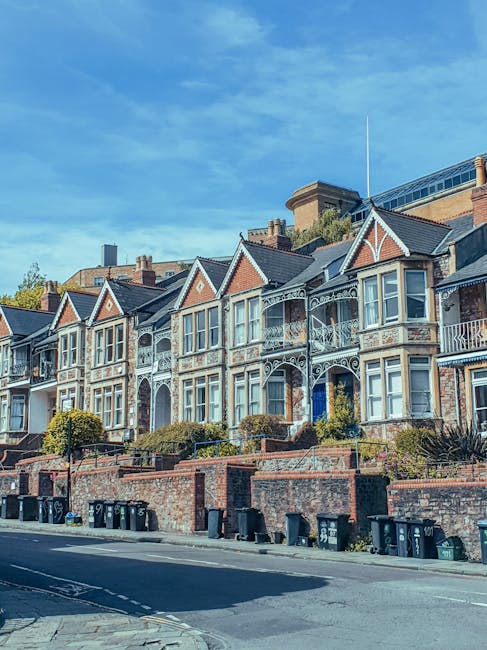
Crouch End is a busy residential area with a mix of terraces, flats, school runs, delivery traffic, and the odd street where a van can feel like it is trying to dock a small ship. In that sort of setting, stopping rules and loading space matter. A permit is not just bureaucracy for its own sake; it is often the thing that keeps a move legal and workable.
When a removal vehicle needs to stop on a yellow line, in a controlled bay, or in an otherwise restricted space, the council may need to approve that use. In practical terms, the permit helps reduce the chance of parking penalties, complaints from neighbours, or a last-minute scramble to shift furniture half a street away. And anyone who has carried a wardrobe in the rain knows how quickly "just a short walk" becomes a problem.
It also matters for timing. A smooth move depends on the van being as close as possible to the property entrance, especially if you have stairs, a long hallway, or heavy furniture. If you are already planning around tricky access, it can be worth reading our guide to van access tips for Crouch End roads and, for tighter homes, our piece on narrow hallway moving solutions.
Expert summary: if your move depends on stopping space near the property, parking permission can be just as important as boxes, tape, and a decent kettle waiting at the other end.
How Haringey Council Permits for Crouch End Removals Works
The exact process can vary depending on the road, the type of restriction, and the scale of the move, so it is wise not to assume that every street works the same way. In general, the permit question comes down to three things: where the van needs to stop, how long it needs to stay there, and what restrictions apply in that location.
Here is the practical version. A mover or household checks the address, identifies any parking controls, and then decides whether advance permission is needed. If a permit is required, it should be arranged before the moving crew arrives, not on the day when boxes are stacked in the hall and everyone is trying to avoid eye contact with a traffic warden.
Many local moves also involve a bit of planning around stair access, building rules, and vehicle size. If you are moving from a flat, you may also find our flat removals Crouch End page useful. For larger household moves, the broad service overview at services overview can help you match the move type to the right level of support.
In day-to-day terms, a permit does not make a move magically easy. It simply removes one major point of friction. That sounds small until you are standing outside with a dining table and the van is three streets away.
Key Benefits and Practical Advantages
There are several clear reasons to take permits seriously rather than treating them as an optional extra.
- Better van access: closer parking means shorter carrying distances and less lifting.
- Reduced disruption: fewer awkward manoeuvres and less risk of blocking the road unexpectedly.
- Lower stress on the day: if parking is pre-planned, the move has a calmer rhythm.
- Lower risk of enforcement issues: one less thing to worry about during a busy moving window.
- More accurate scheduling: if the van can park close by, the team can estimate loading and unloading more reliably.
There is also a softer benefit that people often overlook: confidence. When you know the access is sorted, you stop wasting energy on "what if" questions. Should we park there? Is that bay active? Will the driver have to move the van? These little questions eat concentration, and concentration is precious on moving day.
If you are also trying to clear out clutter before the move, our guide on decluttering before you move can save a surprising amount of time. Less stuff means fewer journeys, which usually means fewer parking headaches too.
Who This Is For and When It Makes Sense
Not every Crouch End move needs the same level of parking planning. Some people can use a private driveway or an unrestricted space nearby. Others are dealing with tight streets, controlled bays, or a block of flats with very limited access. The permit question becomes much more relevant in those situations.
You are more likely to need to think about permits if you are:
- moving from or to a terrace with restricted roadside parking;
- using a larger removal van that needs a close stopping point;
- moving at a busy time of day when parking turnover is poor;
- working around loading bays, yellow lines, or resident-only restrictions;
- managing a same-day or short-notice move where access must be efficient.
This also applies to office relocations. A business move often involves equipment, crates, and a narrower time window, so parking access can become a real operational issue. If that sounds familiar, have a look at office removals in Crouch End and the related office removals N8 service.
Truth be told, one of the biggest mistakes people make is assuming that a "small" move does not need planning. Even a student move with a few pieces of furniture can become awkward if the van cannot stop near the door. The weight may be lighter, but the hassle is still there.
Step-by-Step Guidance
Here is a practical way to approach Haringey Council permits for Crouch End removals without turning the process into a whole project of its own.
- Check the property access first. Look at the road outside both addresses, not just one. Note bays, double yellow lines, and any obvious loading restrictions.
- Estimate the vehicle size. A man and van setup may need less space than a larger removal van, but it still needs legal stopping access. Our man and van Crouch End and removal van Crouch End pages are useful if you are comparing vehicle options.
- Decide whether the move needs exclusive loading access. If furniture is large, awkward, or fragile, closer access is often worth the extra preparation.
- Build the permit question into your moving timeline. Do not leave it until the packing is nearly done. Access planning should sit near the top of the checklist, not somewhere after "find the scissors".
- Confirm who is arranging it. In many cases, the removal company can advise on the practical side, but the responsibility should be understood clearly in advance.
- Keep timing realistic. If the permit or parking arrangement changes, build in a bit of slack. Moves rarely improve when everyone is racing the clock.
While you are planning the move itself, it helps to think about packing discipline too. A good packing system can save space and reduce the number of items going in and out of the van. Our smart packing hacks article is a strong companion read.
And if you want the day to feel less frantic, the practical advice in our moving day stress guide is worth a look. Small things done early. That is usually the trick.
Expert Tips for Better Results
After enough local moves, a few patterns become obvious. The first is that access problems are easiest to solve before anyone starts carrying. The second is that people remember the things they forgot for days afterwards. So here are the tips that genuinely help.
- Measure the street reality, not just the floor plan. A lovely flat can still be a pain if the van has nowhere sensible to stop.
- Keep communication tight. If the driver needs to wait, reposition, or use a different entrance, make sure everyone knows early.
- Think about furniture order. Heavy pieces should usually go out first or be staged near the exit so the load sequence is efficient.
- Protect the route. Hallways, stairs, and door frames matter more when carry distance is short because every bump is more noticeable.
- Do not overpack boxes. A box that is too heavy wastes time and energy, especially if the van has to park farther away than planned.
If you have a bed, mattress, or bulky frame to move, the wrong access setup can quickly become tiring. For that kind of item, see our bed and mattress transition guide. Likewise, large sofas and cabinets can benefit from professional handling, so furniture removals in Crouch End may be a smarter option than trying to improvise.
One slightly unglamorous tip: keep a copy of your building access notes and parking details on your phone and on paper. Phones die. Paper gets coffee stains. Both are annoyingly human, but one of them is usually available when needed.
Common Mistakes to Avoid
Most permit-related problems are preventable. The trouble is, they usually look minor right up until move day. Here are the usual culprits.
- Leaving parking planning too late. This is the classic one. Everything looks fine until the van arrives.
- Assuming the same rules apply on both ends. The old address and the new one may have very different restrictions.
- Forgetting about loading time. A short stop can be fine for a quick drop-off, but removals are not quick drops.
- Not checking building rules. Flats, managed blocks, and offices often have their own access requirements beyond council parking controls.
- Choosing the wrong removal method. A tiny vehicle might be easier to stop, but it can create extra trips. A bigger one may need more care with parking. Balance matters.
Hidden cost worries also come up a lot when people are comparing quotes. Parking delays, extra handling time, and access issues can all complicate the final bill if they are not discussed clearly at the start. If that is on your mind, read how to avoid hidden moving fees in Crouch End quotes.
And for especially awkward stair layouts, you may want to check staircase restriction solutions. It is not exactly thrilling reading, granted, but it can save a lot of unnecessary faff.
Tools, Resources and Recommendations
You do not need a huge toolkit to manage permits and access properly. What you do need is a simple system that keeps the move organised. The following basics help more than people expect.
- A move checklist: keeps parking, keys, insurance, and packing details in one place.
- Phone notes or a shared document: useful for access instructions, gate codes, and loading times.
- Labels and marker pens: faster identification means less time standing around while the van waits.
- Tape measure: handy for checking door widths, furniture sizes, and awkward gaps.
- Protective materials: blankets, covers, and wraps are useful when items must be carried a little farther.
If you need a broader support package, look at the wider removal services in Crouch End and compare them with the local removal companies in Crouch End option set. If you want a fuller sense of service scope, removals Crouch End is a good starting point.
Storage can also ease the pressure if your moving date and access windows do not line up neatly. A short-term overflow plan can make permit timing much less dramatic. See storage in Crouch End if that sounds relevant.
Law, Compliance, Standards, or Best Practice
Parking and loading around a move is not just about convenience. It has compliance implications too. Local restrictions, bay rules, yellow lines, and time-limited loading allowances all need to be respected. The safest approach is to assume nothing and check every address individually.
From a best-practice point of view, a professional removal team should treat parking as part of the job plan, not as a casual afterthought. That means checking access before the move, planning the vehicle position, and avoiding unnecessary obstruction. It also means keeping the move safe for pedestrians, neighbours, and the people carrying heavy items.
Health and safety is part of this picture as well. If the van is forced to stop farther away than intended, the carrying distance goes up, and so does the physical load on the team. For a sensible overview of that side of the work, see health and safety policy and insurance and safety.
There is also an operational standard worth keeping in mind: if a move feels rushed, the risk of damage rises. That is not dramatic, just true. Good compliance and good moving practice usually go hand in hand. The legal side is one thing; the real-world side is another, and both matter.
Options, Methods, or Comparison Table
When people talk about "sorting parking," they often mean one of a few different approaches. Here is a quick comparison of the common options.
| Option | Best for | Pros | Trade-offs |
|---|---|---|---|
| Pre-arranged council permit or controlled access arrangement | Moves on restricted streets or controlled bays | More predictable, closer access, lower risk of parking issues | Needs advance planning and clear timing |
| Private driveway or off-street parking | Homes with their own space | Easiest and cleanest option | Not available for many Crouch End properties |
| Temporary loading near the property | Shorter moves with flexible timing | Can work well for light or medium loads | Less dependable in busy streets |
| Remote parking with a longer carry | Last-resort situations | No permit complexity if the parking is legal | More labour, slower move, higher fatigue and potential delay |
In most Crouch End streets, the first option is the most practical when access is restricted. The fourth option can work, but let's face it, nobody really wants a long carry when they are moving a chest of drawers in drizzle.
Case Study or Real-World Example
Here is a realistic example based on a typical local move. A couple were moving from a second-floor flat in Crouch End to a nearby house a short drive away. The distance between properties was not the issue. The issue was the road layout at the first address: limited stopping space, busy daytime traffic, and a narrow entry path to the building.
They originally thought the van could "just wait a minute" outside while they carried items down. In practice, that turned into a bad plan. The road was active, the van would have been in the way, and every extra trip would have slowed the move. So they adjusted the plan: packing was completed earlier, the load order was mapped out, and the access arrangement was confirmed in advance. That allowed the removal team to work continuously rather than improvising on the street.
The result was not magic. The move still involved stairs, a heavy sofa, and a couple of awkward corners. But the day stayed orderly. No parking panic, no unnecessary walking back and forth, and no last-minute argument about whether someone had "definitely checked the bay times." Small win, big difference.
If you are moving bulky items rather than a full household, the same principle applies. The more awkward the piece, the more worthwhile it is to reduce carry distance and keep the access point as simple as possible. For example, our piano removals in Crouch End service exists precisely because some items demand more planning than a standard box move.
Practical Checklist
Use this checklist a day or two before the move. It is plain, a bit unglamorous, and very useful.
- Check both addresses for parking restrictions and loading limitations.
- Confirm whether the vehicle needs a permit, bay access, or another parking arrangement.
- Make sure the removal team knows the exact access point.
- Measure any tight hallways, stairs, or lifts that could affect carry time.
- Set aside bulky items that need special handling.
- Label boxes clearly so the crew can load in the right order.
- Keep building access details, codes, and contact numbers handy.
- Check whether you need short-term storage for overflow items.
- Review your moving quote so parking and access assumptions are clear.
- Allow a buffer in case traffic or access is slower than expected.
If you are still at the packing stage, the guides on packing and boxes in Crouch End and packing checklist for Hornsey Lane moves in N8 can help keep the process tidy. And for those items that are too large to sort casually, it can make sense to plan ahead with bulky waste collection options in N8.
Get a free quote today and see how much you can save.
Conclusion
Haringey Council permits for Crouch End removals are really about more than paperwork. They are about making sure the van can stop legally, the team can work safely, and your move does not begin with avoidable stress. In a neighbourhood where parking can be tight and access can be awkward, that planning makes a real difference.
The simplest approach is usually the best: check both addresses early, match the vehicle to the street, and sort access before the boxes are stacked at the door. That way the move feels organised rather than improvised. Not perfect, maybe. But calmer, safer, and a lot more manageable.
If you want the day to feel properly under control, a little advance planning goes a long way. And honestly, that small bit of calm before the van arrives can change everything.