Health and Safety Policy for Man With Van Crouch End
 Our health and safety policy sets out the standards and responsibilities that support safe, careful, and efficient removals. At Man With Van Crouch End, we aim to protect our team, customers, visitors, and property by managing risks sensibly and working with clear safety controls at every stage of a job. This policy applies to all moving, loading, unloading, lifting, carrying, driving, and storage-related activities.
We believe that safety is part of good service. Every move is planned with attention to hazards such as heavy lifting, awkward access, fragile items, and changing weather conditions. Our approach is built on practical risk awareness, proper equipment use, and a culture where everyone is expected to act responsibly. Whether a job is large or small, the same standards apply.
As a trusted Man With Van Crouch End service, we train staff to work in a controlled and considerate way. This includes safe handling methods, good communication, and respect for customer premises. We also expect all personnel to report concerns immediately so that problems can be addressed before they lead to injury, damage, or delay.
Our Safety Commitment
We are committed to preventing accidents wherever possible. This means identifying foreseeable risks before work begins and taking steps to reduce them. Typical measures include checking access routes, confirming the condition of packing and lifting materials, and assessing whether additional support is needed for unusually bulky or heavy items. Our aim is to complete each move without avoidable harm.
Safe moving practices are essential in a manual-handling business. Staff are instructed to lift using correct posture, avoid twisting under load, and seek assistance when items are too heavy, unstable, or difficult to grip safely. Where appropriate, we use trolleys, straps, blankets, and other equipment to reduce strain and improve control. We also make sure loads are balanced and secured before transport.
 Vehicle safety is another key part of our policy. All vans are kept in suitable working order, with routine checks on tyres, lights, brakes, mirrors, and load restraint equipment. Drivers are expected to operate vehicles responsibly, follow road laws, and avoid unsafe behaviour such as overloading or distracted driving. Safe transport protects both the crew and the items being moved.
Responsibilities and Procedures
Risk assessment is carried out before work begins, especially where stairs, narrow entrances, fragile goods, or limited parking may affect the move. If the situation changes during the job, staff will reassess the risks and adapt their method accordingly. This flexible approach helps us remain safe without compromising efficiency.
All staff must wear suitable clothing and footwear for the task. Protective equipment may be used where needed, including gloves or other items that support grip and reduce minor injuries. Loose clothing, unsafe footwear, and jewellery that may catch during lifting or carrying should be avoided. Personal readiness is part of working safely.
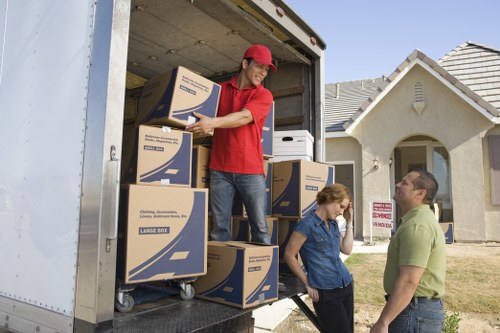 Communication is central to preventing incidents. Team members must use clear instructions when lifting, turning, or placing items. Customers may be asked to help by keeping walkways clear, securing pets, or advising us of any access issues. Good communication reduces confusion and helps everyone stay aware of what is happening during the move.
Protecting People and Property
We take special care with fragile, valuable, or sentimental items. These goods are wrapped, boxed, or padded as appropriate, and handled with extra caution. Staff are expected to move steadily rather than quickly, keeping attention on surroundings and avoiding unnecessary contact with walls, doors, and floors. The same care applies when working in homes, offices, or communal buildings.
Housekeeping is important throughout the work area. We aim to keep paths clear of packaging, tools, and loose materials that could create trip hazards. Spills or debris should be dealt with immediately where possible, and any unsafe conditions reported so they can be managed quickly. A tidy worksite is a safer worksite.
We also recognise the importance of public and third-party safety. When working near other people, our team must remain alert and act courteously. Loads should not be left unattended in unsafe positions, and doors, stairways, and vehicle areas should be managed carefully to reduce risk to passers-by. This helps maintain a calm and controlled environment.
Training, Reporting, and Review
 Training is provided to help staff understand safe procedures and expected standards. New personnel are introduced to manual-handling techniques, vehicle safety, equipment checks, and hazard awareness. Ongoing refresher learning helps maintain good habits and ensures our Man With Van Crouch End health and safety policy remains effective in day-to-day work.
Any accident, near miss, injury, or property damage must be reported as soon as possible. Reporting allows us to investigate the cause, make improvements, and reduce the chance of a repeat incident. We encourage openness and prompt action because learning from events is a vital part of keeping people safe.
We review our policy regularly to keep it current and practical. Changes in work methods, equipment, or operating conditions may require updates to our safety approach. By reviewing and improving our procedures, Man With Van Crouch End continues to deliver a service that is careful, reliable, and responsible.
Policy Statement
 This policy confirms our commitment to safe removals, responsible driving, proper handling of goods, and respectful working practices. Everyone involved in a job is expected to follow these standards and support a culture of awareness and care. Safety is not separate from service; it is an essential part of how we work.
By maintaining sensible procedures and encouraging alert, professional behaviour, we help reduce risks and protect the people and property entrusted to us. Our goal is simple: to carry out every move with diligence, caution, and consistent attention to well-being.